


Don’t Make a Mistake. Best Garage Door Finish for Your Property
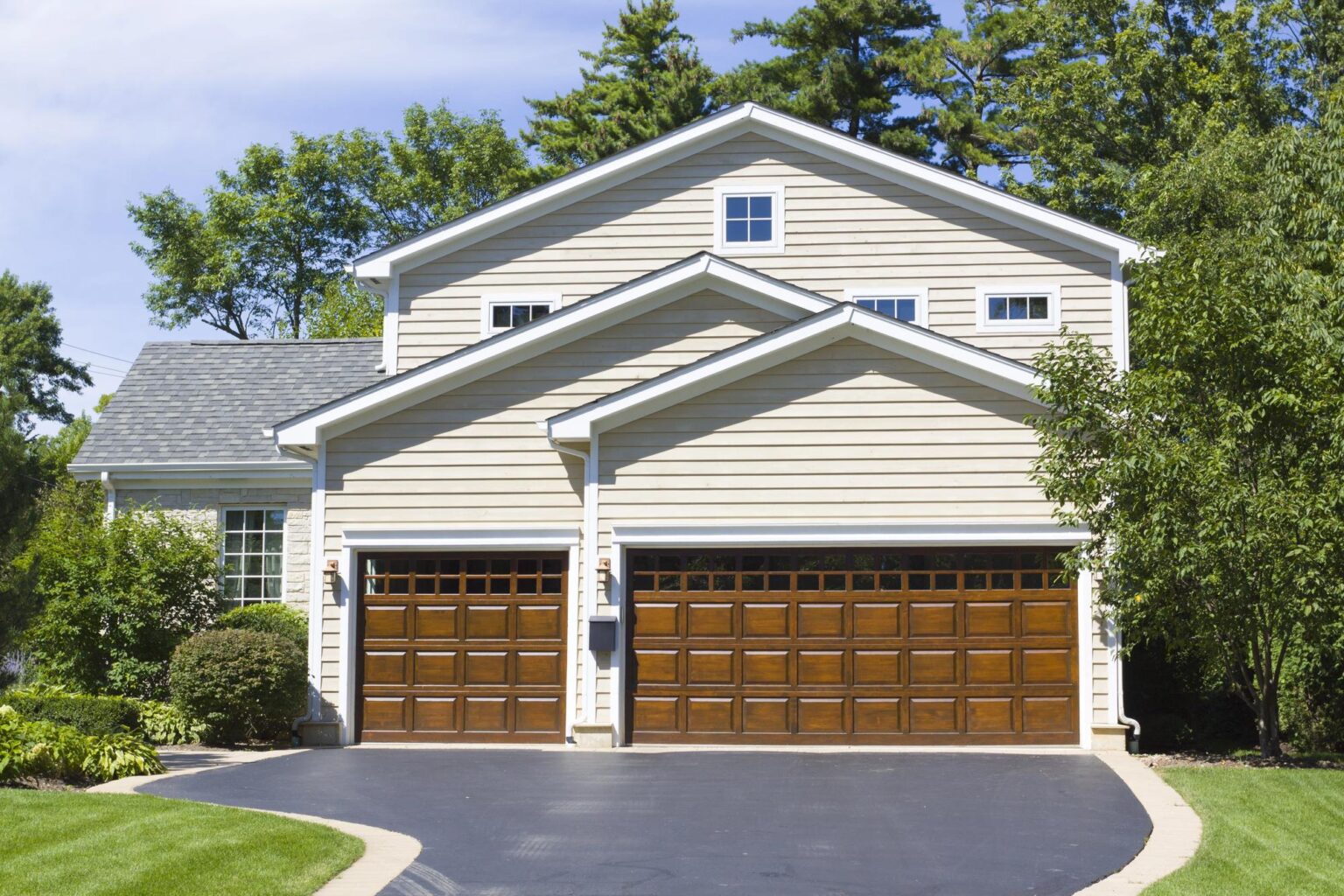
Garages are more than a place to park your car and store your belongings. They are a part of your home. They factor heavily into your curb appeal. As such, homeowners often choose interesting garage door colors and finishes.
This article will discuss the various garage door finishes and colors available, so you can decide which is best for your home.
Key Takeaways
1. Your garage door finish affects both curb appeal and durability, so choosing the right material and color for your climate and style matters.
2. Steel is the most versatile and budget-friendly option, while wood and composite offer natural aesthetics and vinyl delivers the lowest maintenance.
3. Raynor Door Authority can help you select, install, and maintain a garage door finish that looks great and holds up for years.
What Is Garage Door Finish and What Is it For?
A garage door finish is the outer coating applied to your door’s surface. It can be paint, stain, powder coating, or a factory-applied layer that gives the door its color and texture.
The finish does two jobs:
- Appearance. It makes your door look the way you want. You can match it to your home’s exterior, add contrast, or create a specific style like wood grain or modern matte.
- Protection. It shields your door from the elements. Rain, humidity, UV rays, and temperature changes can all damage an unprotected surface. Over time, exposure leads to fading, rust, peeling, cracking, or warping. A good finish keeps these problems at bay.
Different door materials need different finishes. Steel doors often come with baked-on or powder-coated finishes that resist rust. Wood doors typically use paint or stain to seal the grain and prevent moisture damage. Aluminum and fiberglass doors may have factory finishes designed for low maintenance.
The quality of your finish also affects how often you’ll need to repaint or refinish. Cheaper finishes may look fine at first, but break down faster, especially in harsh weather. Higher-quality finishes cost more upfront but last longer and require less maintenance.
Why Is It Important to Choose the Right Garage Door Finish?
Your garage door takes up a big chunk of your home’s front view. The finish you choose affects how your home looks, how long the door lasts, and how much upkeep it needs over time.
- Curb appeal matters. The right finish can make your home look more polished and put-together. The wrong one can clash with your siding, trim, or roof and drag down your home’s appearance.
- Finishes protect the door underneath. A quality finish acts as a barrier against rain, sun, humidity, and temperature swings. Without it, your door is more likely to fade, rust, warp, or peel.
- Durability varies by finish type. Some finishes hold up better than others, depending on your climate and how much direct sunlight your door gets. Choosing the wrong one can mean repainting or refinishing sooner than expected.
- It affects your home’s value. A garage door in good condition with an attractive finish adds to your home’s resale appeal. Buyers notice peeling paint, faded colors, and worn surfaces.
- Maintenance requirements differ. Some finishes need regular touch-ups or resealing, while others stay looking fresh for years with little effort. Picking the right one up front saves you time and money down the road.
Not sure which finish is right for your home? Raynor Door Authority can help you choose a finish that matches your style, fits your climate, and holds up for years to come.
What Does Your Garage Door Color Say About You?
Your garage door color is one of the first things people notice about your home. It sets the tone for your curb appeal and gives visitors a hint of your style. Here’s what different colors say about you and how to make them work with your home.
Black
Black says you like things bold, modern, and low-maintenance. It’s a confident choice that stands out without trying too hard. Black hides dirt well, so it stays looking sharp between cleanings. It pairs with almost any home color but looks especially good with neutrals like white, brown, and gray, or jewel tones like deep blue, green, red, or orange.
Gray
Gray says you appreciate balance and versatility. It’s a safe choice that never looks out of place, but it’s far from boring. Gray comes in many shades, so you can go soft and subtle or dark and dramatic. Light gray works well with white or pastel homes. Darker gray pairs nicely with navy blue, deep red, or dark brown.
White
White says you value clean lines and timeless style. It’s a classic that never goes out of fashion. The tradeoff is that white shows dirt more easily, so it needs more frequent cleaning. Beyond that, it matches almost anything and looks especially crisp on light-colored homes.
Brown
Brown says you prefer warmth and natural tones. It gives your home an earthy, grounded feel. Like gray, brown comes in a range of shades. A soft beige works well with white or light exteriors. A rich chocolate brown complements dark green or navy blue.
Navy Blue
Navy says you’re not afraid to stand out while staying sophisticated. It’s become one of the new neutrals, bold enough to make a statement but versatile enough to work with many styles. Navy pairs well with brown, dark red, blue, or white homes.
Types of Garage Door Finishes
The finish you choose depends on your home’s style, your climate, and how much maintenance you’re willing to do. Here’s a breakdown of the most common options.
Wood Finishes
Wood garage doors offer a warm, natural look that’s hard to replicate with other materials. You can leave them natural, stain them to highlight the grain, or paint them to match your home. Wood adds character and charm, especially on traditional, rustic, or craftsman-style homes.
The downside is durability. Wood is prone to warping, cracking, and rot when exposed to moisture and temperature swings. It requires regular sealing or staining to stay protected.
Best for: Homeowners who love the look of real wood and don’t mind the upkeep. Ideal for mild, dry climates where moisture damage is less of a concern.
Steel Finishes
Steel is the most popular garage door material for good reason. It’s durable, low-maintenance, and holds up well against dents, rust, and weather damage. Steel doors come in a wide range of finishes, including paint, baked-on coatings, and wood-look overlays that mimic the appearance of real wood without the upkeep.
Steel is also energy-efficient when paired with insulation and can be recycled at the end of its life.
Best for: Homeowners who want durability and flexibility without a lot of maintenance. Works well in almost any climate and suits modern, traditional, or contemporary home styles.
Aluminum Finishes
Aluminum doors are lightweight, rust-resistant, and easy to maintain. They work well in humid or coastal areas where salt air and moisture can corrode other materials. Aluminum can be powder-coated or painted in a variety of colors and finishes.
The tradeoff is strength. Aluminum dents more easily than steel, so it may not be the best choice for homes with active kids or tight garage spaces.
Best for: Coastal homes, modern designs, or anyone who wants a sleek, corrosion-resistant door with minimal upkeep. Great for wide openings where a lighter door reduces strain on the opener.
Composite/Faux Wood Finishes
Composite doors are made from recycled wood fibers and resins pressed together to look like real wood. They capture the warmth and texture of natural wood without the maintenance headaches. Composite won’t warp, crack, or rot like solid wood, and it holds up better against moisture and insects.
These doors can be stained or painted and often come with realistic wood grain textures that are hard to tell apart from the real thing.
Best for: Homeowners who want the look of wood without the upkeep. A smart choice for humid climates or anyone who likes natural aesthetics but doesn’t want to refinish their door every few years.
Vinyl Finishes
Vinyl doors are built tough. They resist dents, rust, and scratches better than most other materials. They won’t peel, fade, or need repainting, and they hold up well in extreme weather. Vinyl is also easy to clean with just soap and water.
The main drawback is limited customization. Vinyl doors come in fewer colors and styles compared to steel or wood, so your design options are more restricted.
Best for: Families with kids, high-traffic garages, or homes in areas with harsh weather. A great low-maintenance option for anyone who wants a door that stays looking good with minimal effort.
How to Maintain Your Garage Door Finish
A quality finish can last for years, but only if you take care of it. Here’s how to keep your garage door looking good and protected from the elements.
Clean It Regularly
Dirt, pollen, and grime build up over time and can wear down your finish. Wash your garage door two to four times a year with mild soap and water. Use a soft cloth or sponge to avoid scratching the surface. Rinse thoroughly and let it dry.
Avoid harsh chemicals, abrasive cleaners, or pressure washers on high settings. These can strip the finish or damage the surface underneath.
Inspect for Damage
Walk around your garage door every few months and look for signs of wear. Check for peeling paint, rust spots, cracks, fading, or areas where the finish has worn thin. Catching problems early makes them easier and cheaper to fix.
Pay extra attention to the bottom of the door where water and debris collect. This area takes the most abuse and often shows damage first.
Touch Up Small Problems Quickly
If you spot chips, scratches, or small rust spots, address them before they spread. Sand down rust spots, apply a primer, and repaint to match. For wood doors, reseal any areas where the stain has worn away to prevent moisture from getting in.
Small touch-ups now can prevent a full refinish later.
Know When to Repaint or Refinish
Different finishes have different lifespans. Here’s a general guide:
- Steel doors with factory finishes can last 10 to 15 years before needing a repaint.
- Wood doors need resealing or restaining every 2 to 4 years, depending on sun and moisture exposure.
- Aluminum doors with powder coating can go 10 years or more with minimal upkeep.
- Vinyl doors rarely need refinishing but should be cleaned regularly to prevent discoloration.
- Composite doors typically last 5 to 10 years before needing a fresh coat.
If your finish is fading, peeling, or no longer protecting the material underneath, it’s time for a refresh.
Protect It From the Elements
If your garage door gets direct sunlight for most of the day, UV rays will break down the finish faster. Consider a finish with UV protection or apply a clear sealant to extend its life.
In coastal areas, rinse your door more often to remove salt buildup that can corrode metal finishes.
A Garage Door Finish That Elevates Your Home
Your garage door is a major part of your home’s first impression, and the finish you choose shapes both its style and longevity. The right color and coating protect your door from weather damage while boosting curb appeal in a way that matches your taste and your home’s exterior.
We help you choose a finish and color that fits your style, your climate, and the level of upkeep you want. Whether you prefer bold, modern tones or warm, natural textures, Raynor Door Authority makes sure your door looks great and stays protected for years.
Next steps:
- Look closely at your current door for fading, peeling, or weather wear to see what needs upgrading.
- Decide which finish type and color best match your home and maintenance preferences.
- Contact Raynor Door Authority so we can help you choose and install a finish that brings out the best in your home.
If you want a garage door that lasts longer and looks better, reach out today and let us help you find the perfect finish.
FAQs