


Which Garage Door Opener Drive System Should You Choose? Chain vs Belt Drive Sytems
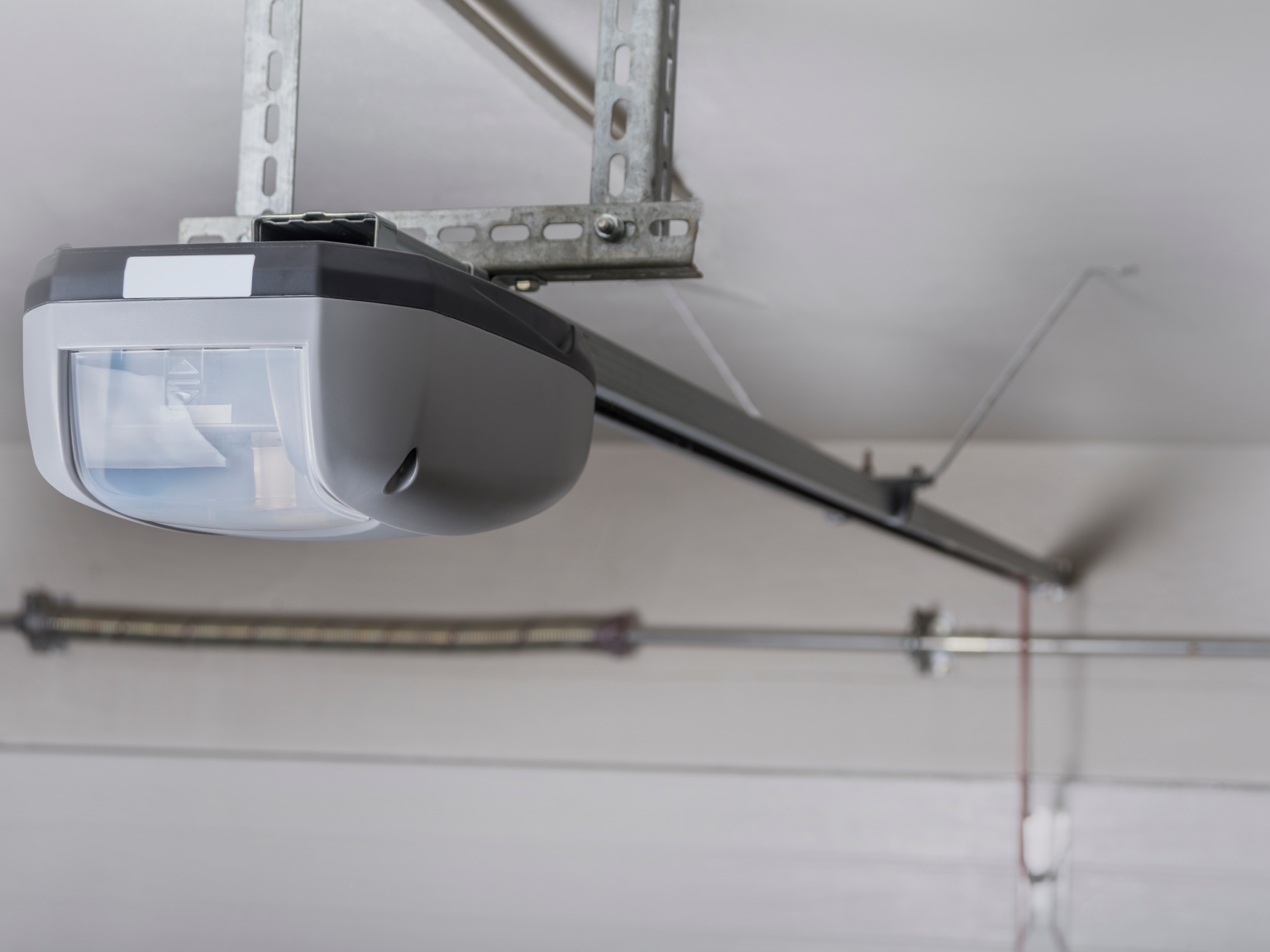
When it comes to choosing a garage door opener, one of the most critical decisions you’ll make is the drive system. There are two primary options: chain and belt drives. Each has its own advantages and disadvantages, and the best choice for you will depend on your specific needs and preferences.
In this article, we’ll delve into the key differences between chain and belt drive garage door openers, helping you make an informed decision.
Key Takeaways
1. Chain drives are louder than belt drives, making belt drives the better choice for attached garages or noise-sensitive environments.
2. Chain drives handle heavy or oversized doors more reliably because the metal chain is less likely to slip under heavier loads.
3. Our experts at Raynor Door Authority evaluate your specific garage setup and usage patterns to recommend an opener that delivers lasting performance.
Chain Drive Garage Door Openers
Chain drive openers work like a bicycle chain – a metal chain loops around a motor-driven sprocket and pulls a trolley along a ceiling-mounted rail to lift or lower your door. They’ve been the industry standard for decades and remain the most common type installed in residential garages.
Prices typically range from $150-$350 before installation, with 1/2 HP, 3/4 HP, and 1 HP motor options available.
Pros
- Lower cost. $50-$150 less than comparable belt drives.
- Proven durability. 15-20 year lifespan with basic maintenance.
- Handles heavy doors. Metal chain won’t slip under load, even with oversized or wooden doors.
- Easy to service. Parts are widely available and affordable.
Cons
- Louder operation. Produces metallic rattling around 50-60 decibels – noticeable if your garage shares a wall with living spaces.
- Requires maintenance. Chain needs lubrication 1-2 times per year and occasional tension adjustments.
- More vibration. Metal-on-metal contact can transfer noise through the ceiling in attached garages.
Best For
- Detached garages. Noise isn’t an issue when the garage is separate from living spaces.
- Budget-conscious homeowners. Lower upfront cost and affordable repairs over time.
- Heavy or oversized doors. Ideal for carriage-style wood doors or large two-car openings.
- Workshops and utility spaces. Reliability matters more than quiet operation.
Belt Drive Garage Door Openers
Belt drive openers use a reinforced rubber or fiberglass belt instead of a metal chain to move the trolley along the rail. The belt wraps around a motor-driven pulley, providing the same lifting action as a chain drive but with significantly less noise and vibration.
Prices typically range from $200-$450 before installation, with the same 1/2 HP, 3/4 HP, and 1 HP motor options as chain drives.
Pros
- Quiet operation. Runs at around 40-50 decibels – comparable to a refrigerator hum.
- Smooth performance. No metal-on-metal contact means less vibration transferring through walls and ceilings.
- Low maintenance. No lubrication needed, and belts don’t stretch like chains.
- Long lifespan. Modern belts are reinforced with steel or fiberglass and last 15-20 years.
Cons
- Higher upfront cost. Expect to pay $50-$150 more than a comparable chain drive.
- Less ideal for very heavy doors. Standard belt drives handle most residential doors fine, but extremely heavy doors may cause belt wear over time.
- Temperature sensitivity. Rubber belts can stiffen in extreme cold, though most modern belts are rated for a wide temperature range.
Best For
- Attached garages. Especially when the garage shares a wall with bedrooms, home offices, or living areas.
- Homes with nurseries or light sleepers. Minimal noise during early morning or late night use.
- Homeowners who prefer low maintenance. Less upkeep than chain drives over the life of the opener.
- Finished or climate-controlled garages. Quieter operation complements a more polished space.
Factors to Consider When Choosing a Drive System
The main difference between chain and belt drive garage door openers is noise. Chain drives use a metal chain and run louder, while belt drives use a rubber belt for quieter operation. Chain drives cost less upfront; belt drives require less maintenance over time.
Both types are reliable, last 15-20 years, and work with most residential garage doors. The right choice depends on your garage’s location, your door’s weight, and how much noise matters in your household.
Garage Location
Where your garage sits relative to your living spaces is often the deciding factor. Attached garages that share a wall with bedrooms, nurseries, or home offices benefit from the quieter operation of a belt drive. Detached garages or those adjacent to utility areas can handle the noise of a chain drive without issue.
Think about when you use your garage most. If you leave for work at 5 AM or come home late at night, a quieter opener can prevent disrupting the household.
Door Weight and Size
Most residential garage doors weigh between 150 and 250 pounds, which either drive type handles easily. Heavier doors need more consideration.
- Single-car steel doors. 1/2 HP motor with either drive type works fine.
- Double-car insulated doors. 3/4 HP recommended for smoother operation.
- Wood carriage doors or oversized custom doors. 1 HP chain drive is typically the safer choice – the metal chain won’t slip under heavy loads.
Check your door’s weight against the opener’s rated capacity. When in doubt, size up on motor power.
Climate
Extreme temperatures affect both drive types differently.
Chain drives need more frequent lubrication in cold climates to prevent stiffening and noise. In very cold conditions, an unlubricated chain can become sluggish or loud.
Belt drives use rubber compounds that can stiffen in extreme cold, though most modern belts are rated for temperatures as low as -20°F. In hot, humid climates, belt drives tend to perform more consistently.
Total Cost of Ownership
The upfront price difference between chain and belt drives is $50-$150. But that’s not the full picture.
| Factor | Chain Drive | Belt Drive |
|---|---|---|
| Purchase price | $150-$350 | $200-$450 |
| Annual maintenance | Lubrication, tension checks | Minimal |
| Common repairs | Chain replacement ($50-$100) | Belt replacement ($60-$120) |
| Typical lifespan | 15-20 years | 15-20 years |
If you’re comfortable doing basic maintenance yourself, a chain drive stays cost-effective. If you’d rather install and forget, the belt drive’s lower upkeep can offset the higher purchase price.
Smart Features and Connectivity
Both chain and belt drive openers are available with smart features. These aren’t tied to drive type – they depend on the model and brand. Look for:
- Wi-Fi connectivity. Control and monitor your garage door from your phone.
- Smart home integration. Compatibility with Alexa, Google Home, or Apple HomeKit.
- Real-time alerts. Notifications when the door opens, closes, or is left open.
- Guest access. Temporary codes or app-based access for deliveries or visitors.
Premium belt drive models often bundle more smart features, but mid-range chain drives increasingly include them as well.
Safety Features
Regardless of drive type, look for these standard safety features:
- Auto-reverse. The door reverses if it contacts an object while closing.
- Photo-eye sensors. An infrared beam near the floor stops the door if broken.
- Manual release. Allows you to open the door manually during power outages.
- Rolling code technology. Changes the access code after each use to prevent code theft.
Battery backup is worth considering if you live in an area with frequent power outages. Some models include it; others offer it as an add-on.
Which Drive Type is Right for You?
Choose a chain drive if:
- Your garage is detached or away from bedrooms and living areas
- You have a heavy or oversized door (wood carriage doors, custom builds)
- Upfront cost is a priority, and you don’t mind basic annual maintenance
- You want widely available parts and easy serviceability
Choose a belt drive if:
- Your garage is attached and shares a wall with the living spaces
- You use your garage early in the morning or late at night
- You prefer a low-maintenance, install-and-forget solution
- Quiet, smooth operation is worth the extra investment
Still not sure? A garage door professional can assess your specific door weight, garage layout, and usage patterns to recommend the right fit. They can also ensure proper installation – a key factor in how well any opener performs over time.
Raynor Door Authority offers free consultations and professional installation for both chain and belt drive openers. Contact us to discuss your options or schedule an appointment.
Get the Right Garage Door Opener for Your Home and Daily Routine
Choosing between a chain drive and a belt drive matters because the wrong opener can create noise issues, wear faster, or struggle with your door’s weight. The right choice comes down to where your garage is located, how heavy your door is, and how much quiet operation matters to your household.
We help homeowners sort through these details every day. We assess your door, your garage layout, and how you use the space, then match you with an opener that performs reliably and fits your budget without overbuying or cutting corners.
Next steps to take:
- Identify whether garage noise affects bedrooms, offices, or living areas, and note how often you use the door early or late.
- Confirm your door’s size, material, and weight so the motor and drive system are properly matched.
- Schedule a free consultation with Raynor Door Authority so we can recommend and install the right opener for your home.
Stop guessing and start with expert guidance. Contact Raynor Door Authority today to get a garage door opener that works smoothly, lasts longer, and fits how you live.