


Why Garage Door Spring Repair Is Too Dangerous to DIY
Key Takeaways
1. A garage door spring stores energy to lift a 150 to 400-pound door, and that stored tension is responsible for thousands of emergency room visits each year.
2. The dangers of DIY garage door spring repair include severe lacerations, broken bones, head injuries, and crushing accidents.
3. Raynor Door Authority is a network of certified garage door technicians offering safe, same-day spring repair across multiple U.S. locations, including 24/7 emergency response.
What Makes Garage Door Spring Repair So Dangerous?
A garage door spring is the single most dangerous component in your home’s garage system. Here is what makes it so risky:
- It stores enormous mechanical energy. A torsion spring is wound tight enough to lift a residential door weighing between 150 and 400 pounds. That stored tension can release violently if handled incorrectly.
- A two-car door is heavier than most people realize. A standard two-car garage door weighs 200 to 350 pounds. The spring carries that weight every time the opener runs.
- Failure happens in a fraction of a second. When a spring breaks, or when a homeowner attempts to disassemble it, the stored tension releases instantly with no warning.
- Emergency rooms see it constantly. The U.S. Consumer Product Safety Commission and the National Electronic Injury Surveillance System report that garage doors cause 20,000 to 30,000 emergency room visits each year.
- The injury patterns repeat. Hand and finger fractures, deep lacerations, head trauma from spinning winding bars, and crushing injuries from doors falling during repair are the most common cases.
This article walks through why garage door spring repair is too dangerous for DIY, what specifically goes wrong, what professionals do differently, and what tasks you can safely handle yourself.
The Two Types of Garage Door Springs and Their Risks
Understanding what you are dealing with helps explain why this repair is so unforgiving.
| Spring Type | Location | How It Stores Energy | Failure Risk |
|---|---|---|---|
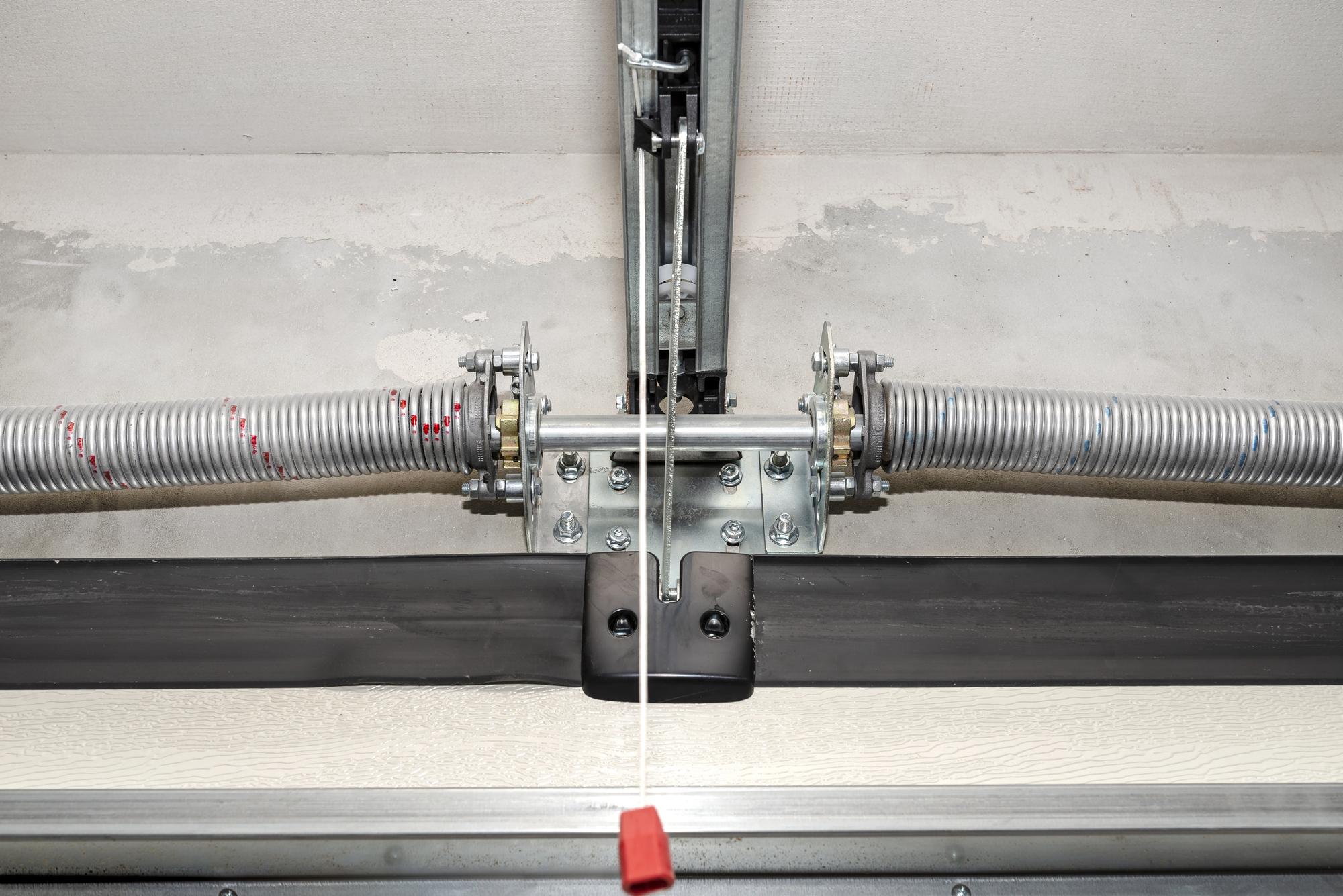
| Torsion Spring | Mounted horizontally on a shaft above the door | Twists tightly around the shaft to store rotational energy | Recoil during winding or unwinding can break bones or cause severe lacerations |
| Extension Spring | Runs along horizontal tracks above the door on each side | Stretches under load to store linear energy | Can fly across the garage at high speed when it snaps without safety cables |
Torsion springs are more common in modern installations and where most DIY injuries happen, because the winding process requires sustained physical contact with the loaded spring. Both types fail catastrophically when the homeowner uses the wrong tools, wrong technique, or wrong replacement parts.
The Real Dangers of DIY Garage Door Spring Repair
Online videos make this look manageable. The reality is different. Here is what actually goes wrong when homeowners attempt this work.
1. Winding Bar Slippage
The most common cause of DIY spring injuries is a winding bar that slips out of the winding cone under tension. The bar can spin violently and strike the homeowner in the face, head, or arm. Hospitals report broken wrists, broken jaws, and head lacerations from this scenario.
Professional winding bars are precisely sized to fit the winding cone. Screwdrivers and pry bars slip under load.
2. Spring Snap During Installation
Springs can fracture during winding if they are over-tensioned or mismatched to the door’s weight. When a spring snaps mid-installation, the coils can recoil with enough force to cut through skin and clothing. Eye injuries are particularly common.
3. Door Falls Without Proper Support
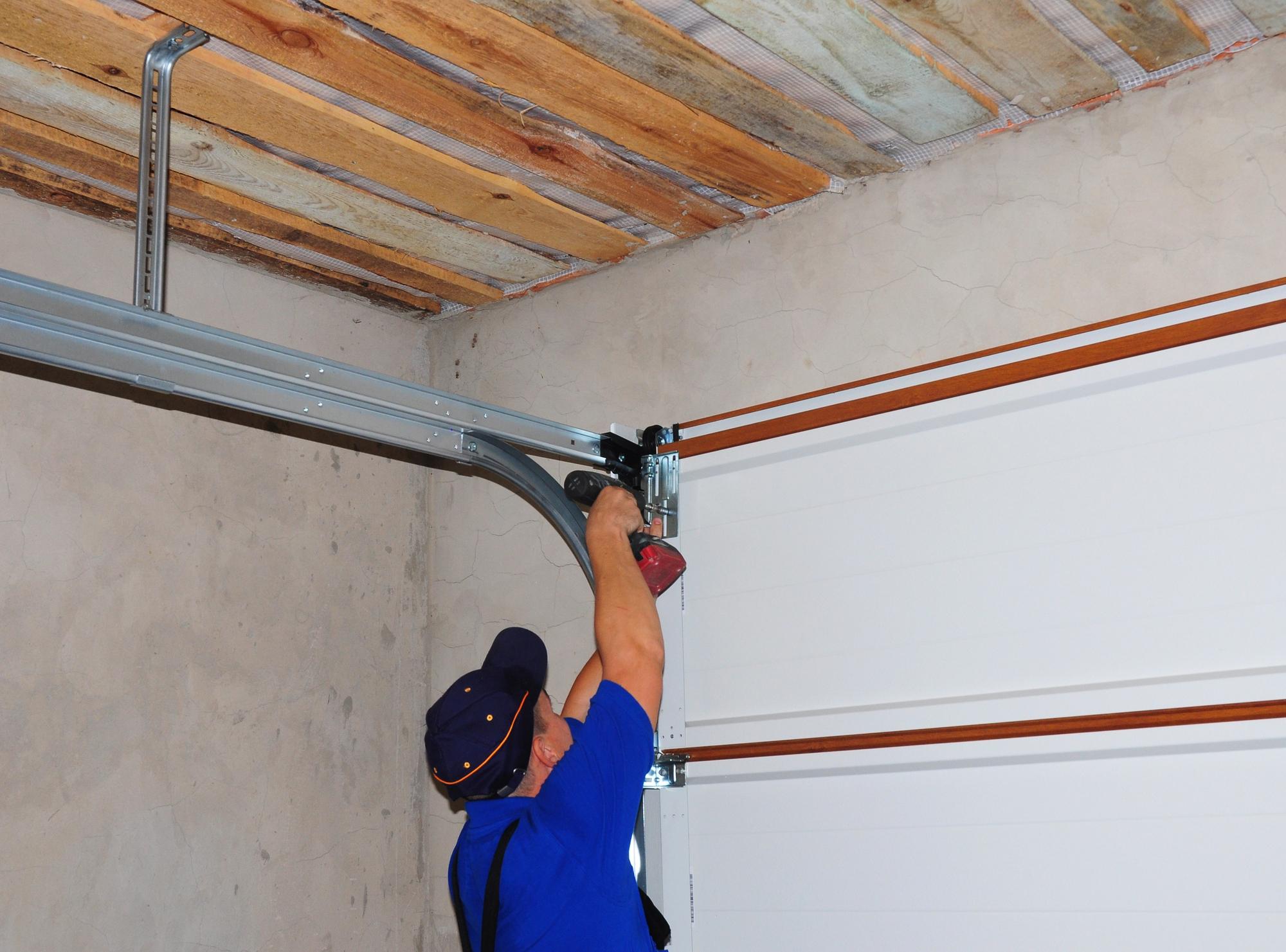
During spring replacement, the door must be secured to prevent it from crashing down. Professional technicians use vise grips, C-clamps, and locking pliers rated for the door’s full weight. Homeowners often use ladders, boxes, or props that fail under load.
4. Cable Whip Injuries
Lifting cables run from the torsion shaft to the bottom of the door under constant load. If a cable comes loose or snaps during repair, it can whip across the garage with enough force to cause deep lacerations.
5. Wrong Spring, Wrong Outcome
Springs are not universal. Wire diameter, inside diameter, length, and number of coils all must match the door’s exact weight. Installing the wrong spring leaves the door either too heavy (the opener strains, the door falls when disconnected) or too light (the door flies up uncontrollably).
The average professional garage door spring repair costs $200 to $350 for parts and labor, usually. But this is an estimate, as it depends on factors such as spring type, door size, and whether one or both springs need replacement. That is far less than emergency room copays, lost work time, or the cost of fixing damaged property after a failed DIY attempt.

DIY Garage Door Installation Risks: When to Call Pros
Common Injuries Emergency Rooms See From DIY Garage Door Spring Repair
Every certified technician has stories. Hospitals see the same patterns repeatedly.
- Hand and finger injuries are the most common because hands stay in the danger zone throughout the work. Winding bar slips crush fingers between the bar and the wall.
- Head trauma happens when winding bars spin violently after slipping. The bar can strike the face, jaw, or skull.
- Eye injuries occur when broken spring coils or cable ends whip toward the face.
- Crush injuries result from the door falling when the spring is disconnected without proper support. A 300-pound door dropping from 4 feet up will break bones.
- Lacerations from the cable whip cut deep enough to require stitches or surgery.
These are recurring patterns that every garage door professional sees in their service calls each year.
What Certified Garage Door Technicians Do for Spring Repair That Homeowners Cannot
A certified garage door technician does not just have better tools. They have a complete system that homeowners cannot replicate from a YouTube video.
Specialized Tools
- Matched winding bar sets that fit precisely into the winding cone
- Torque wrenches calibrated to apply exact force
- Spring measuring tools for correct replacement specifications
- Cable tension meters to verify lift cable integrity
- Door balance scales to confirm even weight distribution
Trained Technique
Professionals know how to support the door before tension is released, count winding turns precisely, test balance after installation, and recognize when other components need attention.
Proper Sizing and Replacement Parts
Certified technicians measure your door, calculate the correct spring specifications, and source the right replacement. Standard hardware store springs rarely match residential door specs exactly.
Safety Verification
After installation, a professional tests balance, force settings, auto-reverse, and photo-eye sensors. The door is not finished until every safety component has been verified.
Insurance and Warranty
Licensed companies carry liability insurance that protects you if anything goes wrong. Professional repairs typically come with warranties on both parts and labor.
Garage Door Maintenance Tasks You Can Safely Do Yourself
DIY is not entirely off the table for garage door maintenance. Several tasks are appropriate for a homeowner’s attention.
- Visual inspection of springs and cables for visible damage (without touching them)
- Monthly auto-reverse and photo-eye sensor testing
- Lubricating rollers, hinges, and tracks with silicone-based lubricant
- Tightening loose nuts and bolts on hinges and brackets not under tension
- Cleaning sensor lenses of dust and debris
- Replacing weatherstripping along the bottom seal
- Resetting the photo-eye sensor alignment by gently adjusting the brackets
These are minimal tasks that do not involve the loaded components that cause DIY injuries.
How Raynor Door Authority Provides Safe, Same-Day Spring Repair
Garage door spring repair is one of those jobs where calling a professional is the safe choice.
Raynor Door Authority has served homeowners across the United States for over 40 years. Our certified technicians handle spring repair, replacement, and full system inspections with the proper tools, training, and parts to do the work safely.
For homeowners dealing with a broken or failing spring, we offer:
- Same-day service for most spring repairs and replacements
- 24/7 emergency response for urgent failures
- Certified technicians trained on every major opener and door brand
- Warranties on parts and labor
- Transparent pricing with no surprise fees
- Service across multiple U.S. locations, including Denver, Fort Collins, Rochester (MN), DeKalb, Mendota, Rockford, Sauk Valley, Fort Wayne, and Manchester (NH)
Every repair includes a balance check, safety system verification, and a written report of work completed.
What You Should Do Next
A broken garage door spring is not a project to tackle yourself. The risks far outweigh the savings, and the cost difference between DIY and professional work is smaller than most homeowners assume.
- Stop using the door immediately if you suspect a broken spring. Do not try to lift it manually or force the opener.
- Inspect for visible warning signs like coil gaps, frayed cables, or uneven door movement before scheduling service.
- Contact Raynor Door Authority for fast, safe, certified spring repair. Same-day service is available at most locations, with 24/7 emergency response for urgent situations.