


Commercial Garage Doors Safety Checklist
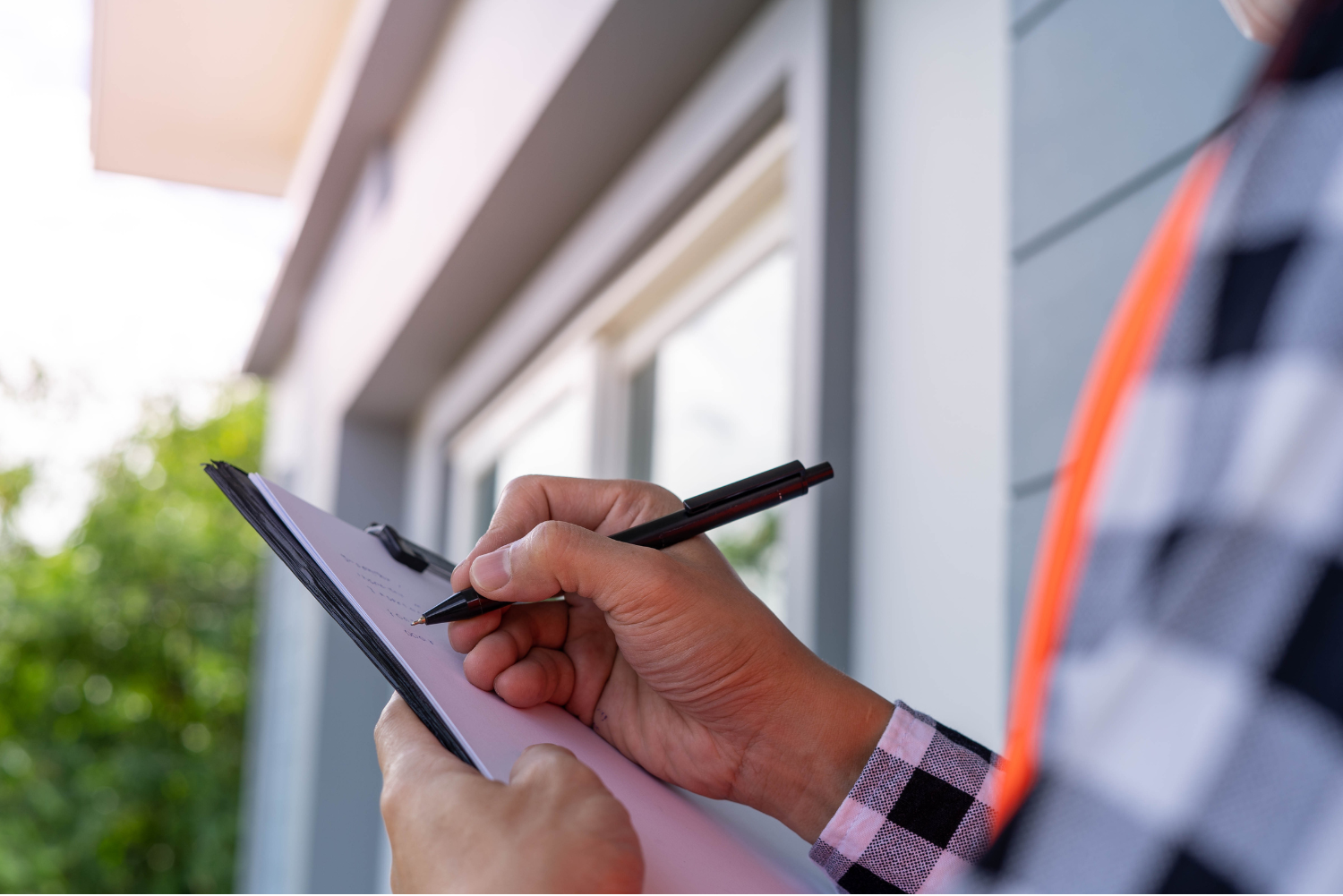
A commercial overhead door that isn’t properly maintained can injure employees, damage inventory, and shut down operations without warning. Springs fail. Cables snap. An entire door can come crashing down if balance issues go unnoticed.
Most of these problems are preventable. Regular inspections, proper training, and a consistent maintenance schedule catch small issues before they turn into safety hazards or expensive repairs. The checklist below breaks everything into daily, weekly, monthly, quarterly, and annual tasks, so your team knows exactly what to check and when.
Key Takeaways
1. Consistent daily, weekly, monthly, and annual inspections prevent most commercial garage door failures and safety hazards.
2. Clear procedures for sudden breakdowns help protect employees, secure the facility, and speed up recovery.
3. Raynor Door Authority keeps businesses safe with reliable maintenance, professional repairs, and 24/7 emergency service.
How to Make a Garage Door More Secure? A Checklist
Skipping routine maintenance leads to more than inconvenient breakdowns. A door that fails unexpectedly can injure workers, halt operations, damage inventory, and expose your business to liability claims.
This checklist organizes inspections by frequency so nothing slips through the cracks.
Daily Operations
- Verify the door opens and closes fully without hesitation or unusual noise
- Confirm the area beneath the door is clear before operating
- Check that warning lights and audible alarms activate during door movement
- Report any changes in door speed, balance, or responsiveness immediately
Weekly Visual Inspection
- Look for visible damage, dents, or warping on door panels
- Check weatherstripping for cracks, gaps, or deterioration
- Visually inspect tracks for debris, buildup, or misalignment
- Examine cables for fraying, rust, or slack
- Verify mounting brackets and hardware are secure
Monthly Safety Feature Testing
- Test auto-reverse by placing a 2×4 flat in the door’s path
- Block the photo eyes to confirm the door stops and reverses
- Test the emergency manual release and ensure staff know its location
- Verify the door stays in place when stopped halfway (balance test)
- Confirm that the door stops immediately when the stop button is pressed
Quarterly Maintenance
- Lubricate hinges, rollers, and tracks with manufacturer-approved lubricant
- Tighten all bolts, brackets, and fasteners
- Clean photo eye lenses with a soft cloth
- Inspect springs for wear, rust, or elongation (visual only — never adjust springs without a professional)
Annual Professional Service
- Schedule a certified technician inspection
- Request tension and balance adjustments
- Have electrical connections and opener systems tested
- Update documentation for insurance and compliance records
Documentation & Training
- Maintain a written log of all inspections and repairs
- Train new employees on safe operation procedures before they work near doors
- Post operating instructions and emergency contacts near each door
- Review and update emergency procedures annually
What Should You Do When Your Garage Door Fails Suddenly?
A garage door that stops mid-cycle or crashes unexpectedly is extremely dangerous. Extension springs under tension can snap. Roller brackets can shear off. Key components that were functioning properly yesterday can fail without warning, bringing operations to a halt and putting employees at risk.
Knowing how to respond quickly minimizes injury risk and gets your facility back to normal faster. These safety tips cover what to do immediately after a failure, when it’s safe to use the manual release, and when to call for professional help.
If your door no longer opens smoothly or doesn’t automatically reverse when it hits an obstruction, treat it as a safety issue, not just an inconvenience.
Here are some critical steps you should take in case your garage door fails.
Immediate Response
- Clear the area. Move all employees and equipment away from the door and its path. If the door is stuck partially open, treat it as unstable until a technician inspects it.
- Cut the power. Disconnect the opener using the wall-mounted control or circuit breaker. This prevents the door from activating unexpectedly while you assess the situation.
- Do not force the door. Attempting to manually push a jammed door open or closed can cause further damage or serious injury, especially if the issue involves broken springs or cables under tension.
Using the Manual Release
Most commercial doors have a red emergency release handle hanging from the opener track. Pulling this handle disconnects the door from the motorized opener so you can move it by hand.
Before using it, confirm the following:
- The door is not visibly damaged or off its tracks
- No cables are hanging loose or frayed
- Springs appear intact (not separated or hanging)
If any of these conditions exist, do not attempt manual operation. Wait for a professional.
Secure the Opening
A door stuck open is a security and safety risk. If the door cannot be closed, block the opening with barriers or cones, post a staff member nearby if possible, and notify building security.
For overnight situations, consider temporary solutions like a rental roll-off container positioned at the opening or contacting your door service provider for emergency boarding.
Document and Report
Take photos of the door position, any visible damage, and the surrounding area. Note the time, what the door was doing when it failed, and any unusual sounds or smells. This information helps technicians diagnose the problem faster and supports insurance claims if needed.
When to Call for Emergency Service?
Contact your garage door provider immediately if:
- The door fell or dropped suddenly
- Springs, cables, or hardware are visibly broken
- The door is off its tracks
- You smell burning or see smoke near the opener
- The opening cannot be secured
Raynor Door Authority offers 24/7 emergency service for commercial door failures across Denver, Fort Wayne, Rockford, Sauk Valley, Illinois Valley, and New England.
Our technicians respond quickly to secure and operationalize your facility, including nights, weekends, and holidays. Contact your local Raynor Door Authority to save our emergency line before you need it.
Safer Commercial Door Operations That Protect Your People and Your Facility
Commercial garage door failures create real safety risks and can shut down operations fast, which is why a solid maintenance routine is essential. This checklist makes it easier to spot problems early and prevent costly breakdowns.
We help keep your doors reliable. Raynor Door Authority provides high-quality doors along with inspections, repairs, and 24/7 emergency service so your facility stays safe, compliant, and running without interruptions.
Your next steps:
- Use the daily, weekly, and monthly checks to update your current garage door safety routine.
- Set a clear plan for what your team should do when a door stops, drops, or shows signs of damage.
- Contact Raynor Door Authority to schedule maintenance and strengthen long-term safety for your business.
Keep your workplace protected and reduce the risk of sudden failures. Reach out today and let us help you keep every commercial door operating safely.
FAQs